Building on an Acreage in Central Iowa: The Dream and the Real Bill
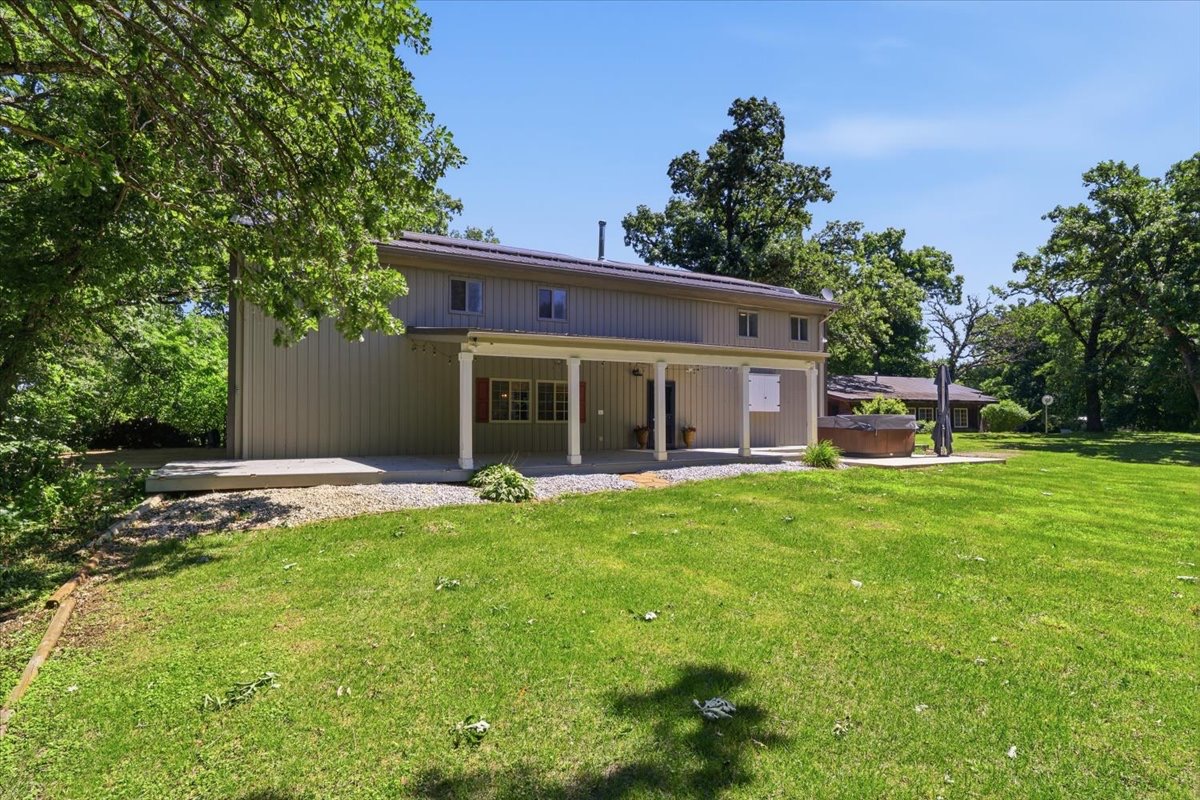
Building on an Acreage in Central Iowa: The Dream and the Real Bill - part 3 of Affordable Housing is… Expensive
This post is part of a five-day series I’m running on why affordable housing costs so much to create here in central Iowa, and what that means whether you’re buying, building or just trying to follow your own hometown’s housing conversation. Want the rest of the series without having to go hunting for it? Subscribe to the blog below and I’ll send each new post straight to your inbox as it goes live.
Yesterday we walked through why new construction in central Iowa towns runs well past $300,000 for even a modest home. Today, the path I know best. I grew up on a Hamilton County acreage and I still live on one now. The acreage dream is real, everyone wants one and I’ll never talk anybody out of country living. But here’s the truth up front: rural ground doesn’t make housing cheaper. It just moves the costs into places town buyers never think about: septic, water, electric, driveways and demolition.
There are two ways into an acreage, and they cost differently. Let’s take them one at a time.
Scenario One: Buying an Existing Acreage
The appeal is obvious. Some infrastructure already exists: a well or rural water hookup, a septic system, an electric service, maybe outbuildings. You’re not starting from zero. But older acreages come with older problems, and the biggest one might be the house itself.
The teardown surprise. Plenty of buyers fall in love with the land and plan to knock down the tired farmhouse. Demolition on a rural house typically runs $10,000 to $25,000, and that’s before the complications. Asbestos siding, pipe wrap or old flooring means licensed abatement, often another $5,000 to $20,000 depending on how much is in there. Shingles have to be hauled separately and disposed of properly and multiple layers of old shingles get heavy and expensive fast. Pre-1978 houses almost certainly have lead paint, which can add even more handling requirements. The “free” old house on your dream acreage can cost $30,000 or more just to make it disappear.
Septic, the time-of-transfer rule. Iowa requires a time-of-transfer septic inspection when most properties with private systems change hands. If the system fails inspection, and a lot of old ones do, it has to be brought up to code. A new conforming septic system in central Iowa generally runs $15,000 to $25,000 depending on soil, site, size of home and county requirements. Your county sanitarian has the final word, and counties differ, so budget accordingly before you sign any contracts.
Financing hurdles. Lenders look sideways at acreages with failed septics, condemned houses, lots of outbuildings relative to the home’s value and/or properties over 10 acres, Some loan programs cap acreage or exclude ag-classified ground. This is where a good local lender earns their keep, and it’s a conversation to have before you fall in love with a property, not after.
Scenario Two: Building on Bare Ground
Bare ground means you fund everything. Every. Single. Thing.. Here’s the pre-house shopping list, with general central Iowa ranges:
• Water: a rural water district hookup often runs $5,000 to $15,000 or more if the line’s nearby, and far more if it isn’t ( you pay for every foot that it has to be run to your property.) Drilling a well typically runs $15,000 to $30,000 depending on depth.
• Septic: $15,000 to $25,000 for a new conforming system, see above.
• Electric: utility line extension is billed by distance. A long run from the road can cost $10,000 to $30,000. That gorgeous building site half a mile back? That amazing view has a price.
• Driveway: rock, grading and a culvert for a long rural drive commonly runs $10,000 to $20,000, and you’ll re-rock it periodically forever.
• Grading and site prep: several thousand more before a footing’s dug.
Add it up and you can spend $50,000 to $100,000 on bare ground before the house starts, on top of buying the land and on top of yesterday’s $180 to $250 per square foot construction cost. Rural living is worth it to a lot of us. Cheap it is not.
The Barndominium Myth
I have to address this one because it comes up in half my acreage conversations. The barndo pitch sounds great: post-frame shell goes up fast and cheap, live in half, park in half. But the shell is the cheap part.
Finishing a barndominium interior to code, insulation, HVAC, plumbing, electric, drywall or liner, flooring, kitchen, baths, egress, costs about the same as finishing any house. By the time it’s done, most barndos in Iowa land in the $150 to $220 per square foot range all-in, which isn’t far off stick-built.
Then comes financing: many lenders hesitate on barndominium construction loans and appraisers struggle to find comparable sales (anlth it’s getting better), especially in counties where few exist. Fewer comps means conservative appraisals, bigger down payments and a smaller buyer pool when you resell. A barndo can be a great lifestyle choice. As an affordability hack… the math doesn’t math.
Quick Questions I Hear All the Time
How much does a septic system cost in Iowa?
Generally $15,000 to $25,000 for a new conforming system, varying by soil, site and county requirements. Iowa’s time-of-transfer inspection rule means failed systems usually must be addressed when a property sells.
Is it cheaper to build in the country than in town in Iowa?
Usually not. You skip the cost of a developed lot but take on water, septic, electric runs, driveway and grading, often $50,000 to $100,000 before construction begins.
Are barndominiums cheaper than regular houses in Iowa?
The shell is cheaper. The finished, code-compliant, financeable home usually isn’t. Most land near stick-built cost per square foot, with tougher financing and appraisals on top.
Tomorrow: back to town for the argument I hear most from longtime residents: “just fix up the old houses.” I love an old Iowa house. I’ll also show you why the rehab bill often matches or beats new construction.
Share this article
Subscribe to our blog
Get Central Iowa market updates, neighborhood guides, and buying and selling tips as we publish them.
Written by Brandi Nelson · Nelson Real Estate Team at CENTURY 21® Signature Real Estate