Alternative Housing Options - part 5 of the Affordable Housing is Expensive Series
This post is part of a five-day series I'm running on why affordable housing costs so much to create here in central Iowa, and what that means whether you're buying, building or just trying to follow your own hometown's housing conversation. Want the rest of the series without having to go hunting for it? Subscribe to the blog below and I'll send each new post straight to your inbox as it goes live.
Yesterday we opened up the walls of old houses and found rehab bills that rival new construction costs. Today, the last stop in this series: all the alternatives people bring up when the usual paths look too expensive. Some of these options genuinely help, none of them is the magic fix and every one trades cost savings for something else: whether it's zoning fights, financing limits, resale risk or a lifestyle compromise.
Let's take them one at a time.
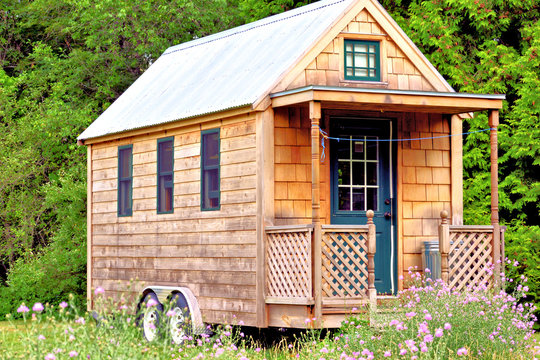
Tiny Homes and Tiny Home Communities
The internet loves them. Pinterest promotes them and Iowa zoning mostly doesn't like them. Many Iowa towns carry minimum square footage requirements and foundation rules that a 300 square foot house on wheels simply can't meet. Only a handful of communities have written tiny-home-specific ordinances. So before anyone buys a tiny home, the first call should be to city hall, not a builder.
Then comes financing. A tiny home on wheels usually can't get a traditional mortgage. You're looking at vehicle, RV or personal loans with higher rates and much shorter terms. And unlike a site-built house, many tiny homes depreciate (fast) like a vehicle vs traditional homes which appreciate.
Next up, infrastructure costs. A tiny home and/or community needs the same water, sewer, electric and streets as any development, so the per-unit infrastructure cost doesn't shrink nearly as much as the square footage does. Tiny living works for some people. As a scalable affordability answer for central Iowa... the zoning, financing, infrastructure costs and resale problems are doing a lot of behind the scenes damage to the math.
Modular and Manufactured Housing
Here's where I get more optimistic. First, the distinction, because people mix these up constantly. Modular homes are built in sections in a factory to the same building codes as a site-built house, they're set on a permanent foundation and financed and appraised like any stick-built home. Manufactured homes are built to the federal HUD code, usually on a steel chassis/running gear, and finance differently, often as personal property or a vehicle unless titled with the land.
Modular can shave real money, often 10 to 20 percent versus site-built as a general estimate, mostly through factory efficiency and shorter build times, which matters plenty in an Iowa winter. You still need a lot, a foundation, utilities and setting cranes, so it's a discount, not a miracle. One trade off... they come with a little stigmatism and usually don't appreciate like a stick built home.
Manufactured homes (trailer homes) remain one of the largest sources of unsubsidized affordable housing in rural America and a newer manufactured home on an owned lot can be a legitimately good path in small-town Iowa. The tradeoffs are financing terms, some lingering stigma, zoning restrictions and near zero appreciation in many markets. But if the goal is a decent, warm, code-compliant home under $200,000, this category deserves more respect than it gets at city council meetings.
3D Printed Homes
Yep they're real, and really early in creation. Iowa actually has skin in this game. Muscatine has seen 3D printed concrete homes go up in recent years as a pilot effort. The printed part refers to mainly the walls. Everything else, roof, windows, mechanicals, finishes, site work, is conventional cost, which is why early projects haven't come in dramatically cheaper than stick-built. The technology may bend the cost curve eventually, especially on labor. For a central Iowa buyer in 2026, it's something to watch, but not something to shop for yet or count on.
Communal and Rent-a-Room Arrangements
The cheapest housing is the housing that already exists, shared. Renting rooms, accessory apartments, multigenerational setups: Iowa's small towns quietly ran on these arrangements for a hundred years. They cost almost nothing to create, which makes them the fastest affordability tool on this whole list. The obstacles are zoning rules that limit unrelated occupants, insurance questions and the plain fact that most people prefer their own front door. Towns that loosen accessory dwelling rules give themselves a cheap release valve. More of them should.
Where I Land After Five Days
Here's my honest takeaway after our 5 days of review, neighbor to neighbor... there's no cheap door into housing. New construction pencils past $300,000. Acreages move the cost into the clear blue sky. Rehabs stack a second price tag on the first. The alternatives each trade dollars for zoning, financing or resale risk.
So what actually helps? Small, unglamorous things. Towns that get their infrastructure and lot supply ready before demanding a developer show up. Zoning that permits accessory units, smaller lots and manufactured homes on foundations. Buyers who use the tools that exist: USDA Rural Development loans, the Iowa Finance Authority's programs, local lender relationships. And residents who walk into housing conversations knowing what things cost, so the arguments run on numbers instead of announcements and wishes
That last one is why I wrote this series. Affordable housing is expensive. Once we admit that, we can finally get to work on a fix.
Quick Questions I Hear All the Time
Are tiny homes legal in Iowa? It depends entirely on the town/county. Many Iowa communities have minimum square footage and foundation requirements that exclude tiny homes, so check local zoning before buying or building.
What's the difference between modular and manufactured homes? Modular homes are factory-built to standard building code, set on permanent foundations and financed like site-built houses. Manufactured homes are built to the federal HUD code and often finance as personal property unless titled with the land.
What's the most affordable way to get into a home in rural Iowa? For many buyers it's a newer manufactured or modular home on an owned lot, paired with a USDA Rural Development or Iowa Finance Authority loan. Talk to a local lender early. The financing path shapes which options are actually open to you.
Share this article
Subscribe to our blog
Get Central Iowa market updates, neighborhood guides, and buying and selling tips as we publish them.
Written by Brandi Nelson · Nelson Real Estate Team at CENTURY 21® Signature Real Estate